
Category: Rust Prevention
-

Rustproofing does not have one universal reapplication schedule. Product type, road salt, wash-off, abrasion, location and manufacturer instructions all affect when protection should be inspected, touched up or renewed.
-
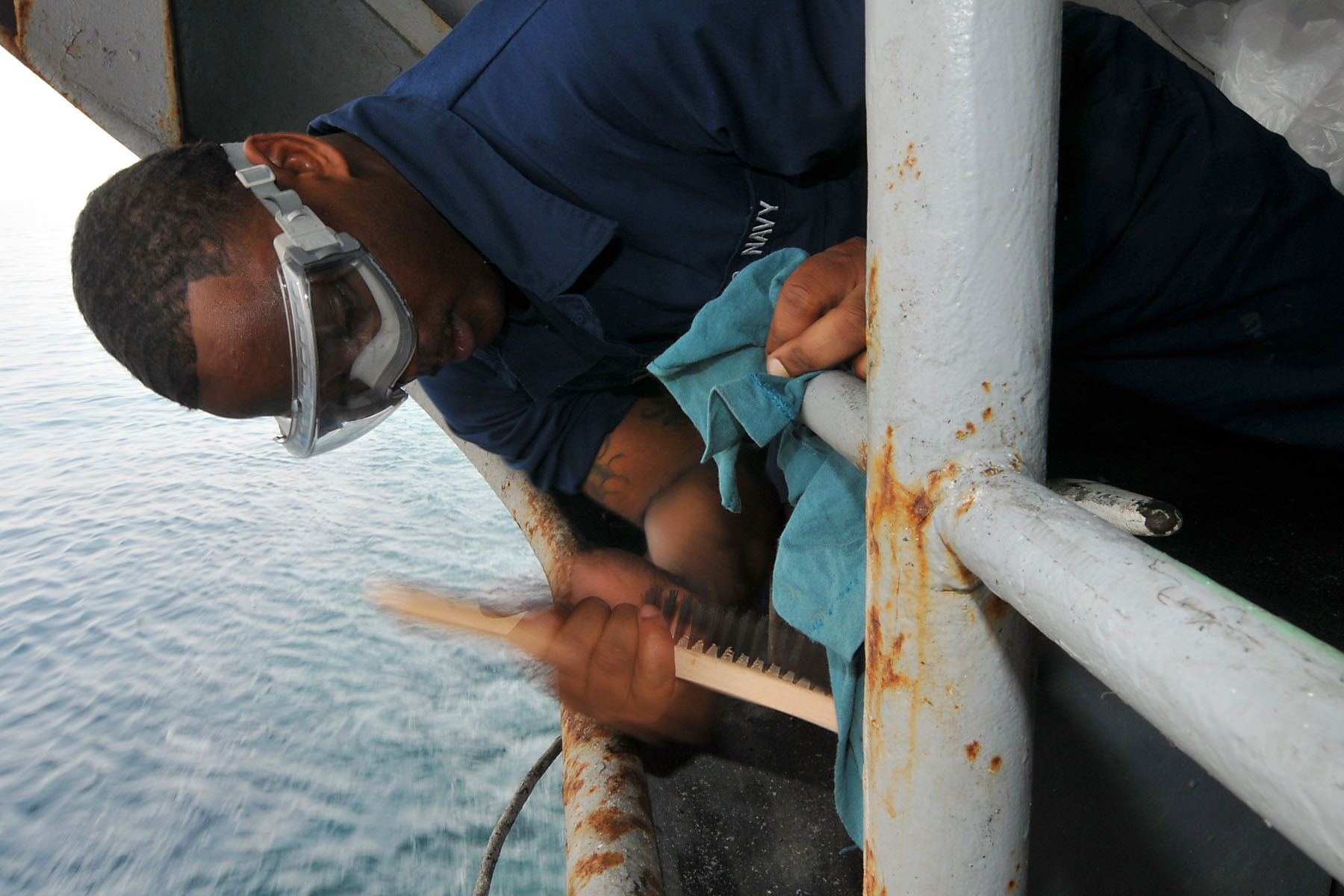
Rust protection can slow or interrupt further corrosion, but it cannot rebuild metal that has already been lost. Here is how removers, converters, oils, waxes and protective coatings differ when rust already exists.
-
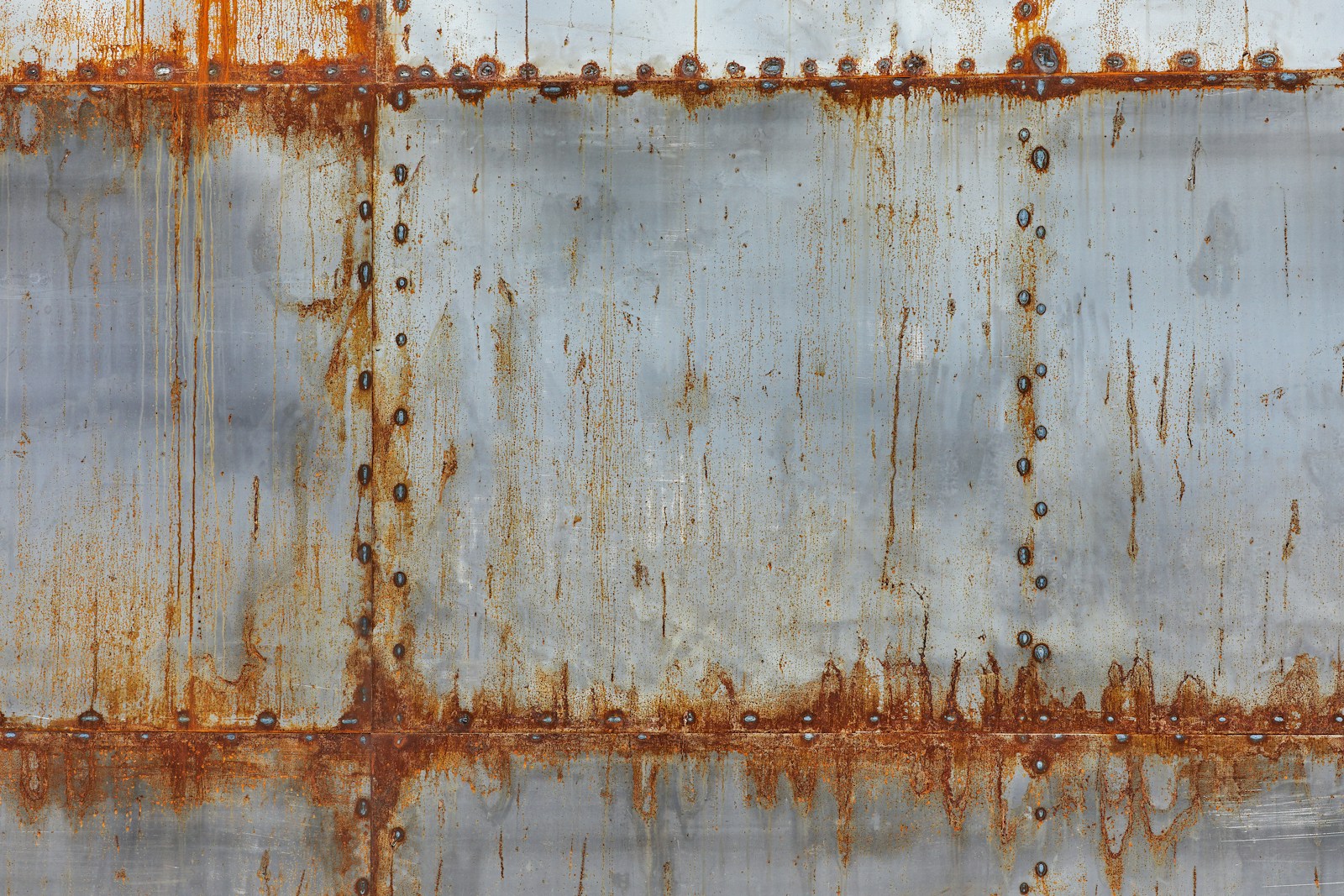
Vehicle seams and crevices can stay wet, hold contaminants and develop a different local corrosion environment from open metal surfaces. Here is why location, drainage and coating access matter.
-
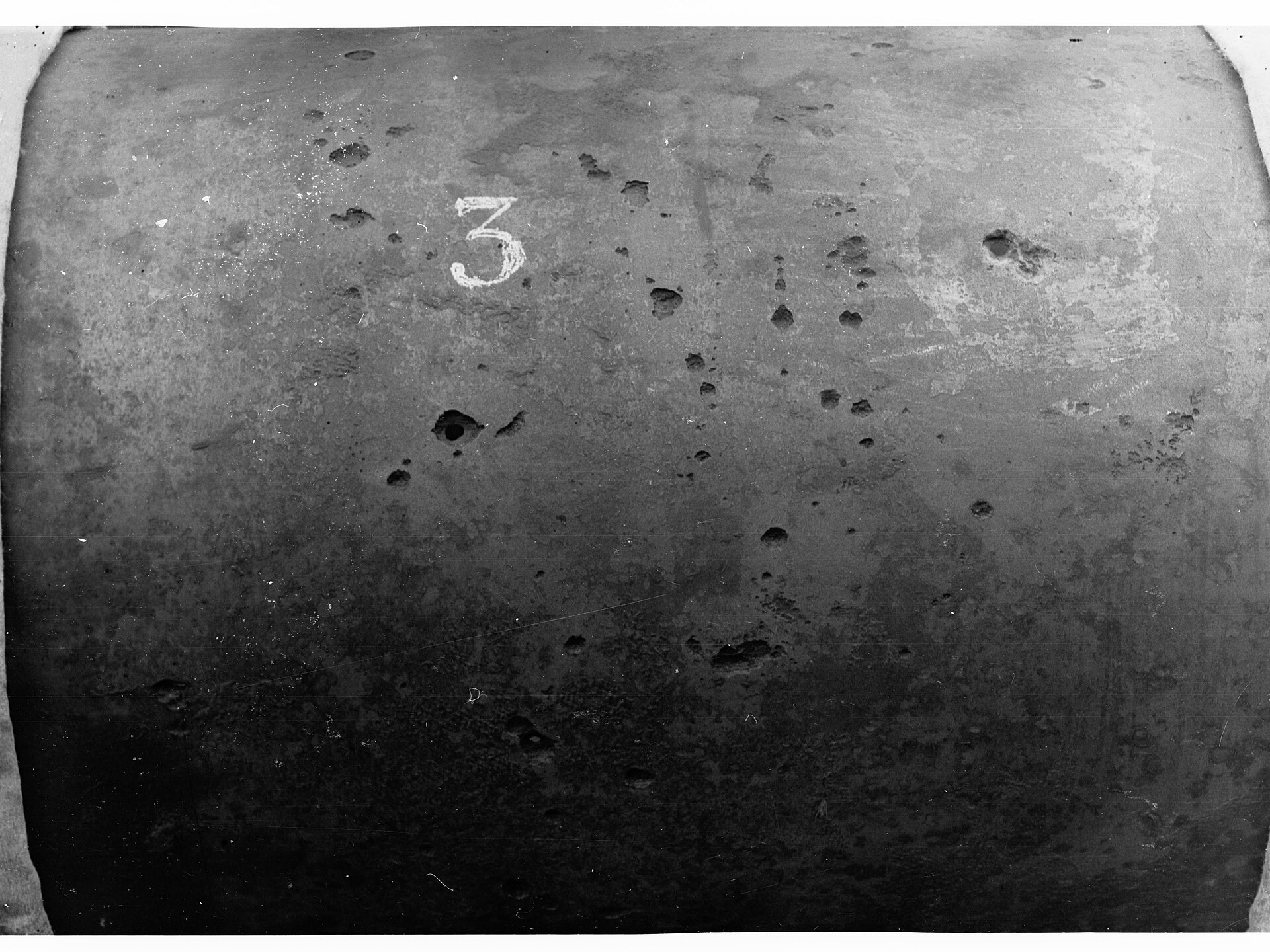
Surface rust and pitting are not the same kind of corrosion. Visible rust can spread broadly while pitting attacks more locally and can penetrate more deeply, so appearance alone does not tell you how much metal has been lost.
-
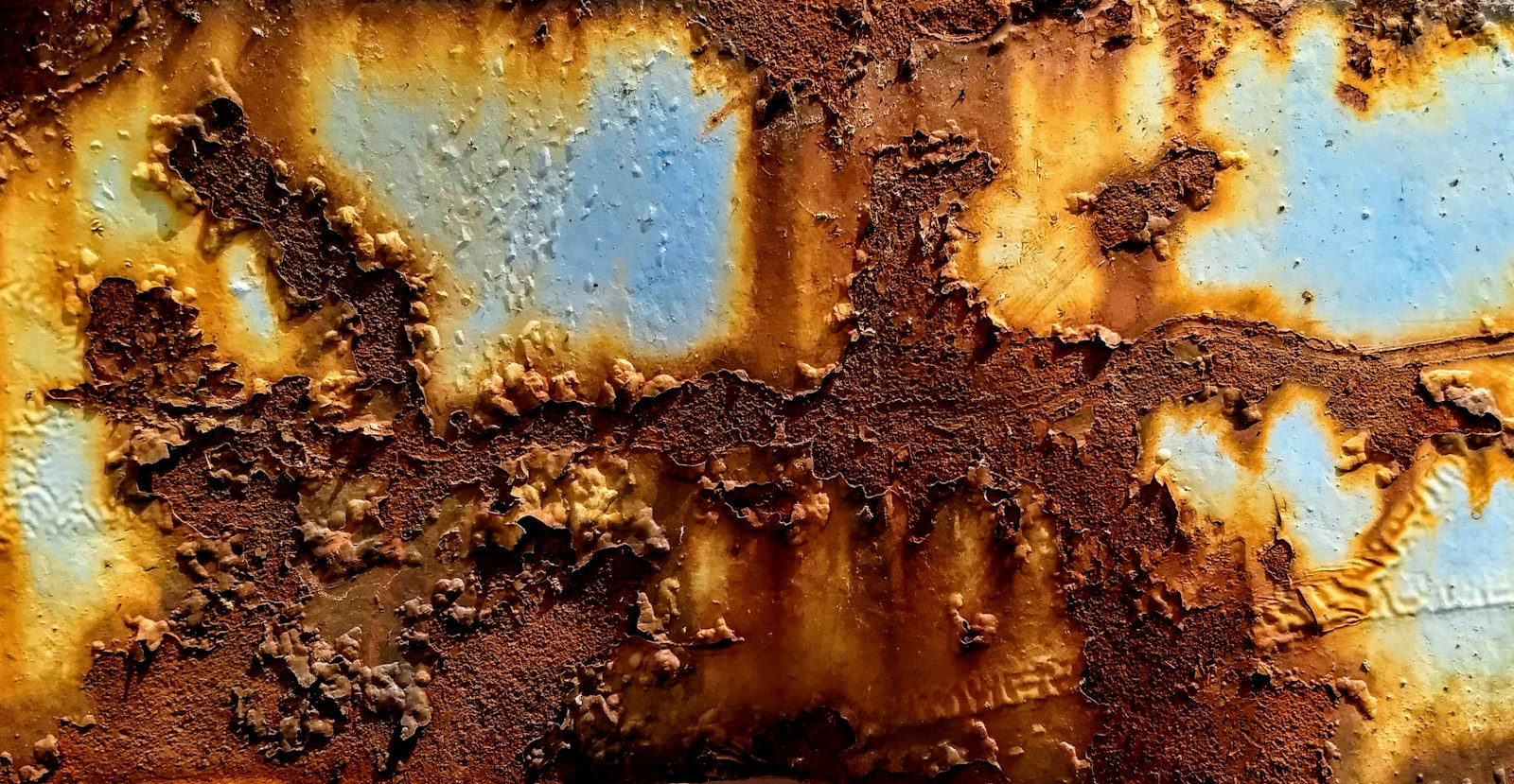
One rust spot can reveal a local failure, but it cannot by itself prove how well an undercoating performs overall. Good corrosion testing looks at replicates, failure location, rusted area, pitting, coating damage and variability.
-
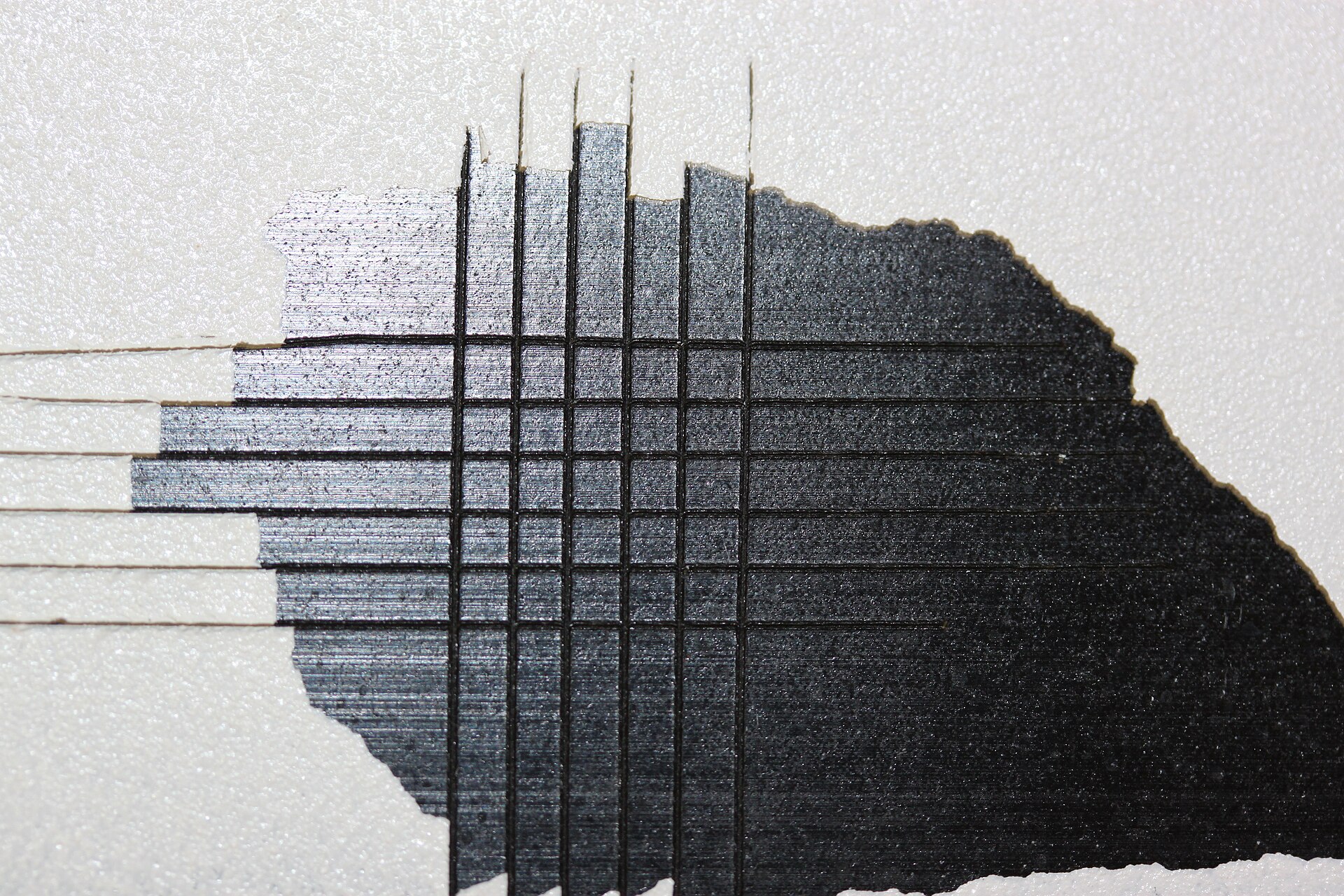
Rust-protection testing can involve salt fog, cyclic corrosion, field exposure, coating-thickness measurements, adhesion, abrasion, mass loss and pitting. Here is what each method can — and cannot — tell you.
-
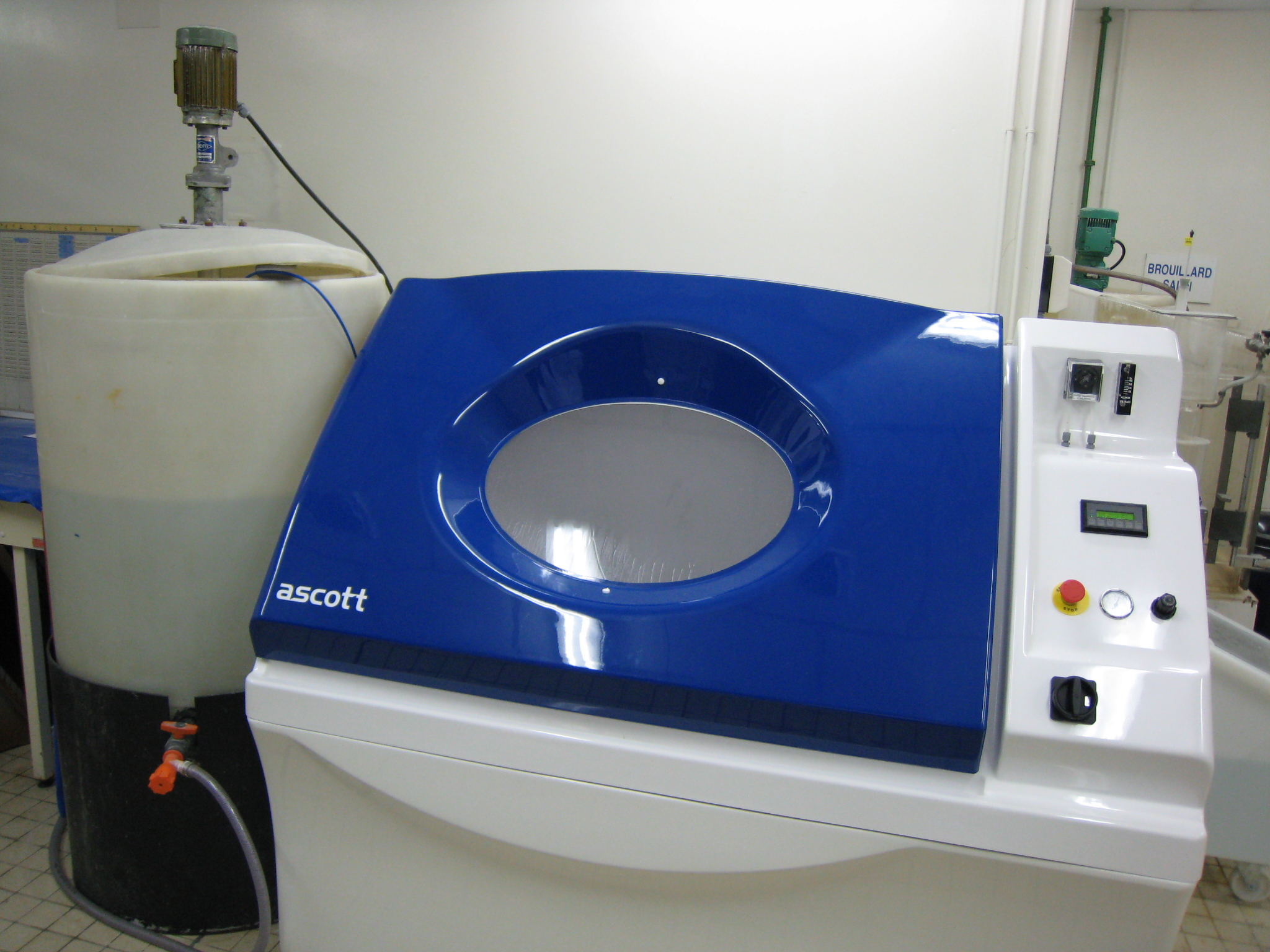
Salt spray testing can provide useful controlled corrosion data, but ASTM and ISO both warn against treating salt-fog hours as a direct prediction of long-term real-world rust protection.
-

Cars rust faster in salt-heavy winter regions because chloride contamination, moisture, wet/dry cycling and crevices create conditions that accelerate corrosion.